Blog
Why You Get Hungry 2 Hours After Eating

The ZoneIt Team
•
October 22, 2026
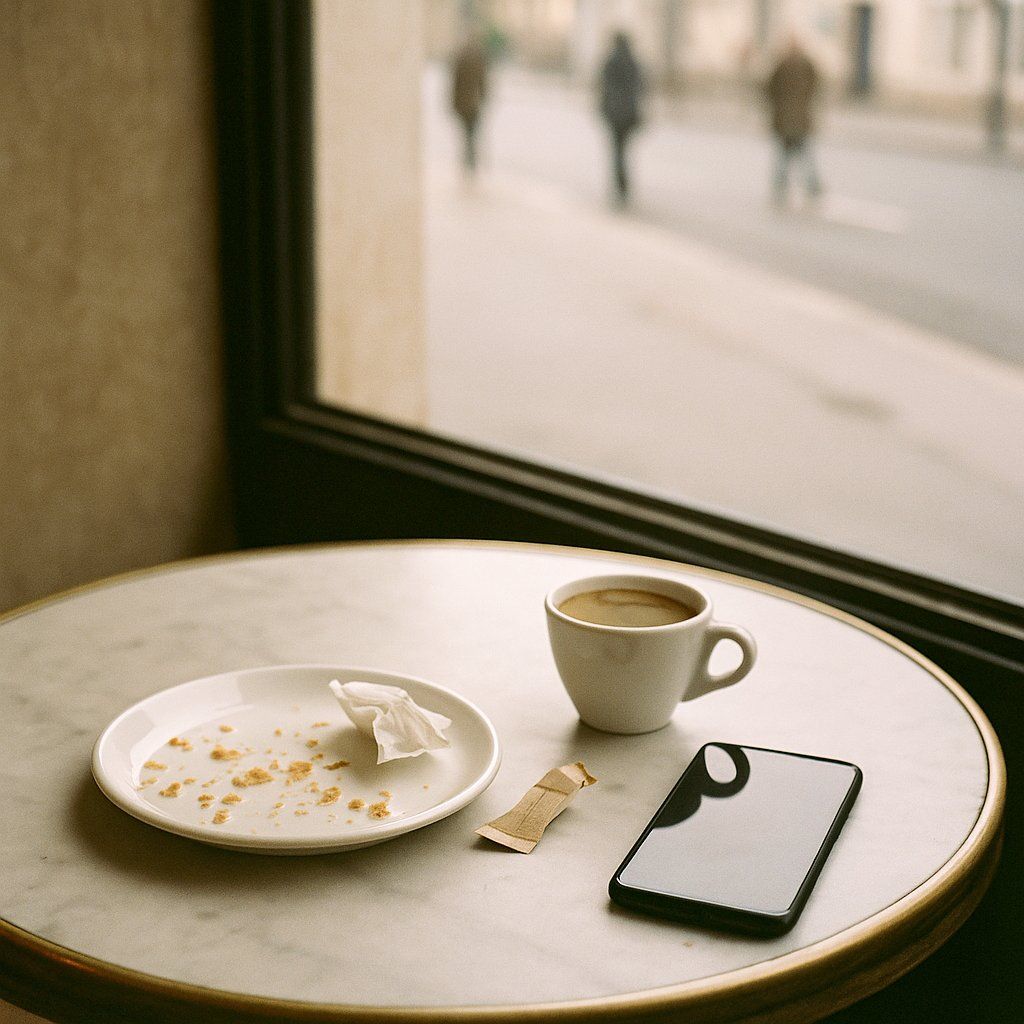
Sound familiar? You have a muffin and coffee for breakfast, and by 10:30 you're already thinking about something sweet. Or you eat a big plate of pasta for lunch, can barely keep your eyes open at 3 p.m., and then reach for the cookies. It feels like a lack of willpower, but most of the time the cause is on your plate — not how much you ate, but what was in it.
What happens after a carb-only meal
White bread, sugar, juice and most packaged snacks are digested quickly. Your blood sugar rises fast, your body responds with a lot of insulin to bring it down, and an hour or two later it drops below where it started. That dip is what you feel as hunger, tiredness and a craving for something sweet — and the cycle starts again.
Protein, fat and fiber work the other way. They slow down how fast your stomach empties and how quickly carbs are absorbed, so your blood sugar rises more gently and falls more slowly. Protein is filling on its own, too — which is why a breakfast of eggs or Greek yogurt keeps you going much longer than one with the same calories made only of bread or pastry.
How the Zone solves exactly this
The core rule of the Zone is balance at every meal: an equal number of protein, carbohydrate and fat blocks. That's no accident — this combination keeps blood sugar steady and keeps you full for four to five hours. If blocks are new to you, start with what the Zone Diet is and why it counts blocks.
Here's what the difference looks like in practice:
- Instead of a muffin and coffee: two eggs, a slice of whole-grain toast, a tomato and a few olives.
- Instead of a bowl of cereal with milk: Greek yogurt with berries and a handful of almonds.
- Instead of a big plate of pasta: a small portion of pasta, a palm-sized chicken breast and a big salad with olive oil.
You don't need to cut out carbs — you just shouldn't eat them alone. For quick balanced breakfast ideas, see 5 quick Zone breakfasts for busy weekdays.
Other reasons you get hungry early
If your plate is balanced and hunger still shows up early, check these too:
- You're eating too little. Cutting portions too hard comes back as hunger. Check how many blocks you need per day and whether you spread them evenly.
- The gap is too long. Try to keep no more than five hours between meals. If lunch and dinner are far apart, a small one-block afternoon snack fixes it.
- Thirst. We often mistake it for hunger. Drink a glass of water and wait ten minutes — more on that in how much water you really need a day.
- Poor sleep and stress. After a bad night, your appetite — especially for sweets — is stronger. On days like that, balanced meals help even more.
Try a small test
Tomorrow, have a balanced breakfast and note in your ZoneIt diary what time you ate and when hunger came back. Repeat for a few days. Most people notice a difference on day one — hunger comes later and more gently, without the sudden sugar craving. If you'd like help not missing your next meal, turn on reminders in the app.
Ready to get in the Zone?
Download ZoneIt for iOS and Android and get your own daily diary, recipes, and smart product search with barcode scanning, all in one place — free to download.

Includes in-app purchases.