Blog
How to Eat Zone at Restaurants

The ZoneIt Team
•
October 16, 2026
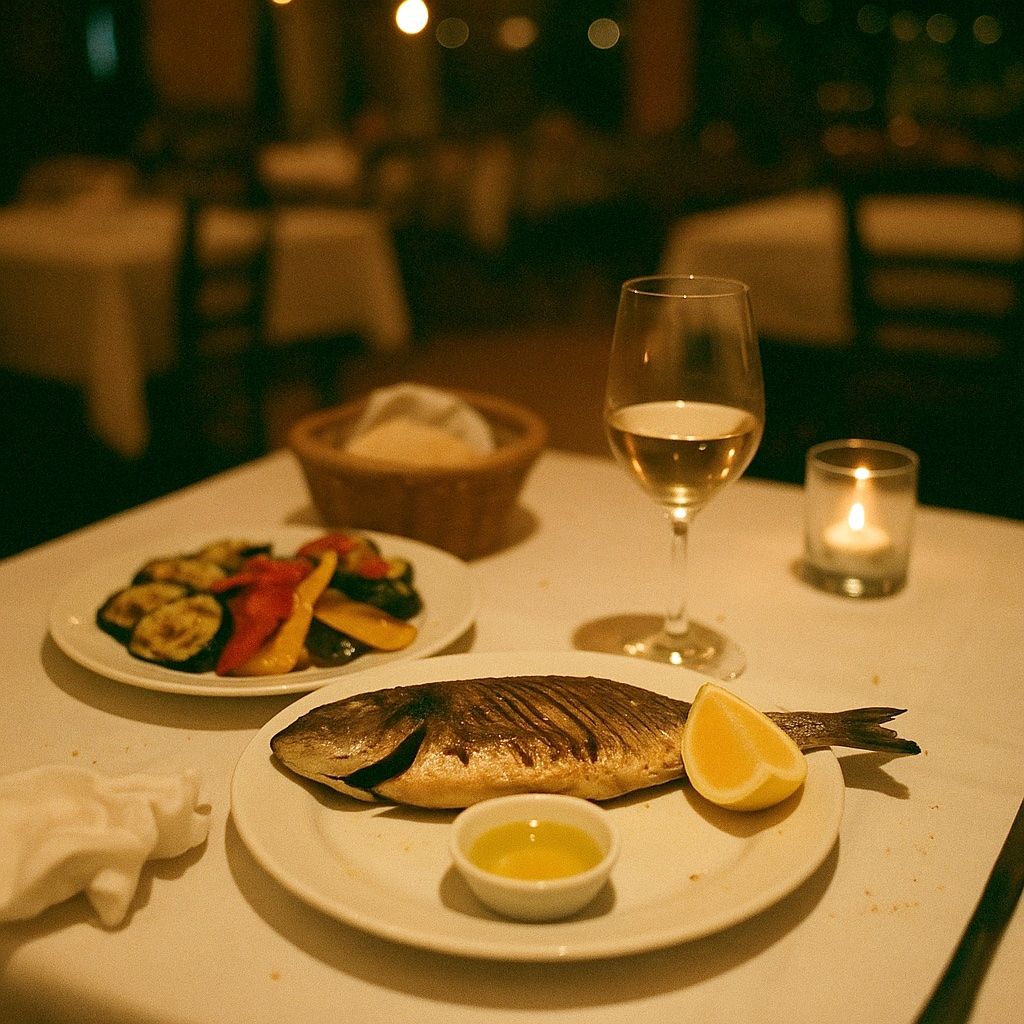
At home, everything is under your control: you have a scale, you choose the ingredients, you know the blocks. At a restaurant, you have none of that. The good news is that for one meal out, you don't need gram-level accuracy, just a good estimate.
Use your hand and your eye
Barry Sears offers a simple approach for situations without a scale, the so-called "hand-eye" method. Mentally divide your plate into three parts:
- one-third is protein: a piece of meat or fish about the size and thickness of your palm
- two-thirds are vegetables or salad: these are your carbs
- a little fat on top: olive oil on the salad, a few olives or some avocado
It isn't an exact calculation, but it gets you close enough to Zone balance.
Choose your protein first
When you look at the menu, start by finding a main dish with a good source of protein: grilled chicken breast, turkey, fish such as sea bream, sea bass or salmon, or a beef steak. Grilled and roasted dishes are a better choice than breaded or fried ones, since they don't carry hidden carbs and fat. Then build the rest of the meal around it.
Swap the side
Fries, rice and mashed potatoes pack a lot of carbs into a small space. Most restaurants are happy to swap them for grilled vegetables or a salad. Just ask. If you're ordering a salad as your main course, think about where your protein will come from. That's why we also wrote about how to turn a salad into a complete meal.
Decide about the bread ahead of time
The bread basket is the most common unplanned carb. If you don't want it, you can ask them not to bring it. If you'd like a piece, count it toward the meal's carbs and cut back on the side. What matters is that it's a decision, not something that just happens while you wait for your order.
Sauces on the side
Sauces and dressings often contain sugar, flour or a lot of fat. Ask for them on the side so you decide how much to use. For salads, olive oil with lemon or vinegar is usually the best option.
Dessert and alcohol
On the Zone, both dessert and alcohol count toward your carbs. If you'd like a glass of wine or something sweet, reduce the carbs in your main course, for example by choosing a salad instead of a starchy side. Dessert is great for sharing, and a few bites are plenty.
Don't show up hungry
We often skip lunch or an afternoon snack to "save room" for dinner out. Usually that leads to intense hunger and half a basket of bread before the main course even arrives. Eat normally during the day so you don't sit down at the table starving.
Afterward
Log the meal in your Diary using your best estimate. Even an approximate entry is more useful than no entry at all. If dinner ended up out of balance, no big deal: your next meal is a fresh start. You'll find more on this in our article on how to stay consistent during your first 2 weeks.
Ready to get in the Zone?
Download ZoneIt for iOS and Android and get your own daily diary, recipes, and smart product search with barcode scanning, all in one place — free to download.


Includes in-app purchases.